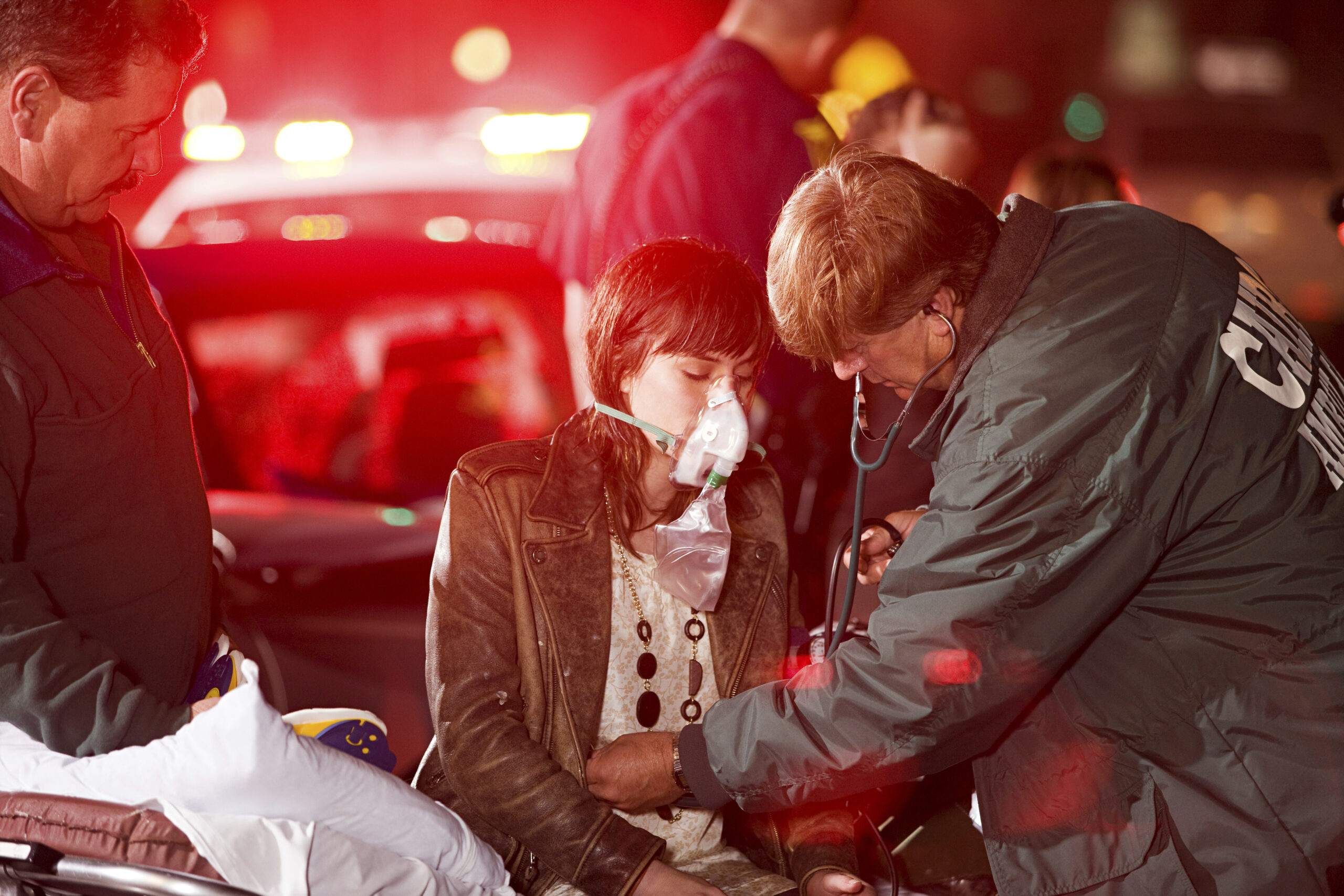
Few experiences compare with exploring Queensland’s vast landscapes. From the rugged tracks of the Scenic Rim and the bushland west of Brisbane to remote cattle stations, national parks and the Australian outback, travelling beyond urban areas offers incredible adventure—but it also means help may be hours away. Wilderness remote first aid focuses on caring for an injured or unwell person when professional medical assistance is delayed, communication is limited and available resources are few. Understanding remote emergency response, extended care principles and evacuation decision-making can make a significant difference while waiting for rescue or safely reaching medical care.
Key Takeaways
- Remote first aid requires a different mindset because professional medical assistance may be delayed for hours.
- Early assessment, careful monitoring and good decision-making are often just as important as treatment.
- Preparation, communication equipment and suitable first aid supplies significantly improve safety in isolated locations.
- Improvisation may be necessary, but recognised first aid principles should always guide care.
- Accredited Remote First Aid training helps build the confidence and practical skills needed for Australia’s remote environments.
Why Remote First Aid Is Different
Most people learn first aid expecting an ambulance to arrive within a relatively short period. In Brisbane and other metropolitan areas, emergency services often reach patients quickly.
Remote Australia presents a very different situation
Someone injured while four-wheel driving west of Toowoomba, hiking in Carnarvon Gorge, working on a remote property or travelling through western Queensland may wait several hours before emergency services can arrive. Weather, flooding, difficult terrain or poor road access can extend those delays even further.
This changes the priorities of first aid.
Instead of providing immediate care until paramedics arrive, the first aider may need to:
- manage injuries over an extended period
- continually reassess the casualty
- conserve available equipment
- make decisions about evacuation
- prevent deterioration
- maintain morale and comfort.
These additional responsibilities form the foundation of outback medical care and isolated location first aid.
Preparation Begins Before You Leave Brisbane
The safest remote emergency is the one that never occurs. Good preparation dramatically reduces risk and increases the likelihood of a positive outcome should something go wrong.
Before travelling into remote Queensland, consider:
- your planned route
- expected weather conditions
- road closures
- available water supplies
- communication methods
- fuel requirements
- vehicle reliability
- emergency contacts
- local hazards
- medical conditions within your group.
Leaving a detailed travel plan with someone you trust is one of the simplest yet most effective safety measures. Include your intended route, expected arrival times and instructions about when authorities should be notified if you fail to check in.
Environmental Assessment Comes First
Hazards in metropolitan settings may be relatively obvious, but remote environments can change quickly. Before approaching any casualty, pause and carefully assess the surroundings.
Potential dangers may include:
Your safety comes first
Becoming another casualty only complicates the emergency and may leave no one able to provide assistance.
Environmental assessment is not a one-time activity. Continue checking conditions throughout the incident as weather, daylight, water levels, fire behaviour and other risks change.
Remote Emergency Response Starts With the Basics
Remote environments introduce additional challenges, but recognised first aid priorities remain unchanged. Deal with immediate life-threatening conditions before planning extended care or evacuation.
Follow these immediate first aid priorities:
Check for danger
Ensure the area is safe before approaching the casualty.
Assess response
Check whether the casualty responds to voice and touch.
Call for assistance
Contact emergency services or activate available rescue support.
Open the airway
Maintain a clear, open airway using recognised first aid methods.
Check breathing
Look, listen and feel for normal breathing.
Provide CPR
Begin CPR immediately if the casualty is not breathing normally.
Use an AED
Apply an AED as soon as one becomes available.
Keep reassessing
Continue monitoring the casualty for any change in condition.
Immediate priorities remain critical everywhere
Distance, difficult terrain and communication limitations do not change the need to protect the airway, support breathing, provide CPR and use an AED when required.
Once life-threatening conditions have been addressed, the response shifts towards ongoing monitoring, comfort, protection from the environment and arranging suitable evacuation or transport.
Communication Limitations Can Change Everything
One of the greatest differences between urban and remote emergencies is the ability to call for help. Mobile coverage can disappear quickly outside major population centres, making preparation essential.
Consider carrying appropriate emergency communication equipment:
Satellite phone
Provides two-way voice communication in many areas beyond mobile coverage.
Personal locator beacon
A PLB can transmit a distress alert and location to rescue authorities.
Satellite messenger
Allows location sharing and, depending on the device, two-way messaging.
UHF radio
May support short-range communication with vehicles, properties or nearby users where appropriate.
Carry it, test it and know how to use it
Emergency equipment is only useful when it is charged, accessible and familiar. Practise operating each device before leaving and check batteries, subscriptions and registration requirements.
Clear, accurate communication helps rescue agencies assess urgency, choose suitable personnel and equipment, identify safe access routes and determine the most appropriate emergency response.
Extended Care Principles
One of the defining features of wilderness remote first aid is the need to support an injured or unwell person for an extended period while professional medical assistance or evacuation is arranged.
Continue monitoring these important signs:
Look for changes, not just isolated readings
A casualty whose breathing, responsiveness, pain or skin colour is gradually worsening may require a more urgent response, even when the initial injury appeared manageable.
Careful, repeated monitoring can reveal deterioration early and provides valuable information for paramedics, rescue teams and other healthcare professionals when evacuation or clinical handover occurs.

Resource Management Matters
In remote settings, equipment and supplies cannot always be replaced quickly. Every dressing, bandage, battery and litre of water may become important if evacuation takes longer than expected.
Use essential supplies wisely:
Conserve drinking water
Protect water supplies and use them carefully, particularly during heat, physical exertion or lengthy delays.
Protect medications
Store medicines according to their instructions and shield them from excessive heat, moisture and direct sunlight.
Preserve sterile supplies
Avoid opening sterile dressings or other packaged items until they are genuinely required.
Ration batteries
Limit unnecessary use of lights and electronic devices while keeping essential equipment ready.
Preserve communication
Keep emergency devices charged, protected and accessible for rescue updates or changing conditions.
Maintain vehicle fuel
Avoid unnecessary engine use where appropriate and retain enough fuel for transport, heating or emergency relocation.
Prepare for a longer wait than expected
Weather, terrain, road access and rescue availability can all delay evacuation. Resource decisions should account for the possibility that care may need to continue for many hours.
Thoughtful preparation and careful use of supplies often prevent manageable difficulties from becoming significant emergencies in isolated locations.

Improvised Equipment Can Be Valuable
Remote emergencies sometimes require creative thinking. Commercial equipment may simply not be available.
Improvised equipment should never replace recognised first aid principles, but it can help stabilise injuries until better care becomes available.
Examples may include:
- rolled clothing supporting injured limbs
- hiking poles assisting splint construction
- triangular bandages fashioned from clean fabric
- sleeping mats providing insulation
- jackets reducing heat loss
- backpacks helping elevate injured limbs where appropriate.
Improvisation should always prioritise patient comfort, stability and safety.
Managing Heat in Remote Queensland
Heat illness is a significant environmental hazard in Queensland. High temperatures, dehydration and physical exertion can rapidly place travellers, outdoor workers and casualties at greater risk.
Early symptoms may include:
Heat exhaustion can become life-threatening
Without prompt cooling, rest and appropriate first aid, heat exhaustion may progress to heat stroke. Heat stroke is a medical emergency requiring urgent assistance.
Reduce the risk throughout the journey:
Hydrate regularly
Drink water consistently rather than waiting until significant thirst develops.
Schedule rest breaks
Stop regularly in shaded or cooler areas, especially during physically demanding activities.
Wear suitable clothing
Choose lightweight, loose-fitting protective clothing suited to the conditions.
Protect the head and face
Wear a broad-brimmed hat to reduce direct sun exposure.
Apply sunscreen
Use suitable sunscreen and reapply it according to the product instructions.
Avoid peak heat
Where possible, plan strenuous activity for cooler parts of the morning or late afternoon.
Heat management should be considered throughout every remote journey, from route planning and water supplies to rest schedules, clothing and ongoing monitoring of everyone in the group.
Dehydration Can Develop Faster Than Expected
Water requirements rise considerably during outdoor activity. Heat, prolonged exertion and illness can accelerate fluid loss and place travellers at risk before they realise how dehydrated they have become.
Fluid loss may increase because of:
Hot weather
Heavy physical work
Vomiting
Diarrhoea
Prolonged walking
Warning signs may include:
Confusion is a serious warning sign
Worsening confusion, unusual behaviour, collapse or reduced responsiveness may indicate severe dehydration, heat illness or another medical emergency requiring urgent assistance.
Carry sufficient water, drink regularly, plan for delays and monitor everyone in the group. Maintaining adequate hydration remains one of the simplest and most effective ways to reduce risk during remote travel.
Trauma in Remote Locations
Serious injuries can occur far from immediate medical care. Vehicle incidents, falls, machinery injuries, farming accidents and animal-related trauma all require a calm response built around recognised first aid priorities.
Common causes of remote trauma include:
Vehicle incidents
Falls
Chainsaw injuries
Farming accidents
Animal-related trauma
Major first aid priorities:
Control severe bleeding
Apply firm direct pressure and use appropriate dressings or bandages to control life-threatening blood loss.
Protect the airway
Maintain an open airway and respond promptly to any obstruction or change in responsiveness.
Monitor breathing
Observe breathing continuously and begin CPR if the casualty is not breathing normally.
Minimise movement
Where spinal injury is suspected, avoid unnecessary movement unless required for safety, airway care or resuscitation.
Reduce the risk of shock
Keep the casualty still, maintain body temperature and continue treating any visible bleeding or injuries.
Arrange evacuation
Contact emergency services or activate the most suitable emergency communication and rescue plan available.
Delayed evacuation makes observation essential
Continue checking responsiveness, breathing, circulation, bleeding, pain and skin appearance while awaiting rescue or arranging safe transport.
Changes in consciousness, breathing or circulation may indicate that the casualty is deteriorating. Reassess first aid priorities, communicate the change to emergency services and seek urgent evacuation where possible.
Snake Bites and Other Wildlife Hazards
Australia’s wildlife deserves respect rather than fear. Most snake bites occur when people attempt to catch, kill or handle snakes.
If a suspected venomous snake bite occurs:
- keep the casualty still
- apply pressure immobilisation using a broad bandage
- immobilise the limb
- call emergency services immediately
- avoid washing the bite site
- do not cut or suck the wound
- do not apply tourniquets.
Remote travellers should also understand first aid for ticks, spiders, insects and marine stings relevant to their destination.
Evacuation Decision-Making
One of the greatest responsibilities in remote first aid is deciding whether a casualty can safely remain in place or requires urgent evacuation to professional medical care.
Important factors to consider:
Nature of the injury
Consider the type, severity and possible consequences of the injury or illness.
Likelihood of deterioration
Assess whether the casualty’s condition could worsen without prompt medical treatment.
Weather conditions
Heat, storms, flooding, fire or cold may increase risk or delay rescue.
Available daylight
Reduced visibility may make movement, navigation and rescue more hazardous.
Terrain
Consider steep ground, unstable surfaces, waterways, access tracks and other geographical barriers.
Available transport
Determine whether suitable and safe transport is available for the casualty’s condition.
Communication options
Consider whether emergency services can be contacted and whether further advice or rescue updates are possible.
Medical history
Existing conditions, medications and allergies may affect urgency and ongoing care.
Distance to healthcare
Account for travel time, road conditions and the level of care available at the destination.
Available caregivers
Consider whether enough capable people are available to monitor, move and support the casualty safely.
Serious injuries require professional assessment
A casualty with a serious injury or signs of deterioration should be assessed by healthcare professionals as soon as reasonably possible. Contact emergency services or activate the available rescue plan without unnecessary delay.
Use calm judgement, not panic
Good evacuation decision-making balances medical urgency against the risks of movement, terrain and environmental exposure. Continue monitoring the casualty and reassess the plan whenever conditions or symptoms change.
Geography Shapes Every Emergency
Queensland’s enormous size creates unique challenges. An injury occurring on a suburban Brisbane walking track differs enormously from one occurring hundreds of kilometres from the nearest hospital.
Geographical considerations influence:
- evacuation times
- communication reliability
- weather exposure
- water availability
- vehicle access
- helicopter landing options
- rescue planning.
Understanding these factors helps first aiders adapt their response to the environment rather than relying on assumptions based on urban emergencies.
Psychological First Aid in Remote Incidents
Long waits for rescue can be emotionally exhausting. Fear, uncertainty and isolation may affect the casualty, the first aider and everyone else involved in the incident.
Remote incidents may intensify:
Fear
Pain, injury and uncertainty about rescue can make the situation feel overwhelming.
Uncertainty
Delays, changing conditions and limited communication can increase anxiety.
Isolation
Being far from professional care may leave casualties and first aiders feeling vulnerable.
Simple actions can provide meaningful reassurance:
Communicate calmly
Speak clearly and steadily, even when the situation is difficult or uncertain.
Explain what is happening
Describe the first aid being provided and what you are checking without creating unnecessary alarm.
Share the plan
Keep the casualty informed about communication attempts, evacuation arrangements and expected next steps.
Encourage safe stillness
Where appropriate, reassure the casualty and encourage them to avoid movement that may worsen an injury.
Calm behaviour supports safer care
A steady, confident first aider can reduce anxiety, improve cooperation and help the casualty conserve energy during a lengthy wait for professional assistance.
Keeping the casualty informed and supported may help prevent panic, unnecessary movement and actions that could aggravate injuries or complicate the remote emergency response.
Build Confidence Before You Need It
Reading articles can improve awareness, but practical training develops skills that are difficult to learn from written information alone.
Accredited Remote First Aid training allows participants to practise realistic scenarios involving delayed emergency services, environmental hazards, patient monitoring and evacuation planning.
If your work or recreational activities regularly take you beyond metropolitan areas, completing a nationally recognised Remote First Aid Course with First Aid Pro Brisbane provides practical experience that can help prepare you for the unique challenges of Australia’s remote environments.
Rather than simply teaching treatment techniques, remote first aid training develops the judgement, adaptability and confidence needed when professional help may be many hours away.
Remote Preparedness Is an Investment in Safety
Australia’s remote landscapes are among the most spectacular places in the world, but they demand preparation and respect.
Whether you enjoy camping, bushwalking, four-wheel driving, hunting, fishing or work in agriculture, mining or utilities, understanding wilderness remote first aid equips you to respond calmly when circumstances become challenging.
Preparation begins long before an emergency occurs. Good planning, reliable communication, appropriate equipment and sound first aid knowledge work together to reduce risk and improve outcomes when every decision matters.
For those who regularly venture beyond the city, undertaking an accredited Remote First Aid Course with First Aid Pro Brisbane is one of the most practical investments you can make. The skills gained extend well beyond technical treatment, helping you assess risks, care for casualties over extended periods and make informed decisions until professional medical assistance becomes available.
Related Reading
- Training.gov.au – HLTAID013 Provide First Aid in remote or isolated site
First Aid Pro – The Latest Innovations for Remote First Aid
Australian Resuscitation Council (ARC) – Guidelines
https://www.resus.org.au
Australia’s authoritative source for evidence-based first aid and resuscitation guidelines, including CPR, trauma, bleeding, environmental emergencies and remote first aid principles.Royal Flying Doctor Service (RFDS) – Outback and Remote Health Advice
https://www.flyingdoctor.org.au
Practical health and safety information for people travelling and working in rural and remote Australia, including emergency preparedness, communication and outback health considerations.Queensland Government – Prepare for Emergencies
https://www.qld.gov.au/emergency
Official Queensland Government information covering severe weather, bushfires, floods, heatwaves, emergency planning, communication and travelling safely in regional and remote Queensland.
FAQs about wilderness remote first aid
What is wilderness remote first aid?
Wilderness remote first aid focuses on providing care when professional medical assistance is delayed because of distance, terrain or communication challenges. It includes extended patient care, environmental assessment and evacuation planning.
Who should complete a Remote First Aid course?
Remote first aid training is valuable for campers, bushwalkers, four-wheel drive enthusiasts, farmers, station workers, miners, utility workers, outdoor instructors, surveyors and anyone who regularly travels or works in isolated locations.
What should be included in a remote first aid kit?
A remote first aid kit should contain quality wound dressings, compression and roller bandages, triangular bandages, gloves, thermal blankets, antiseptic supplies, medications appropriate for your group, splinting materials where practical and sufficient supplies to manage injuries over an extended period.
Can I rely on my mobile phone in remote Queensland?
Not always. Mobile coverage can be unreliable or unavailable in many remote areas. Satellite communication devices or Personal Locator Beacons (PLBs) provide a more dependable method of contacting emergency services when travelling into isolated regions.
Why is extended care important in remote first aid?
When evacuation is delayed, the first aider may need to monitor and care for a casualty for many hours. Ongoing observation, reassessment, hydration, temperature management and careful documentation all become essential parts of effective remote first aid.