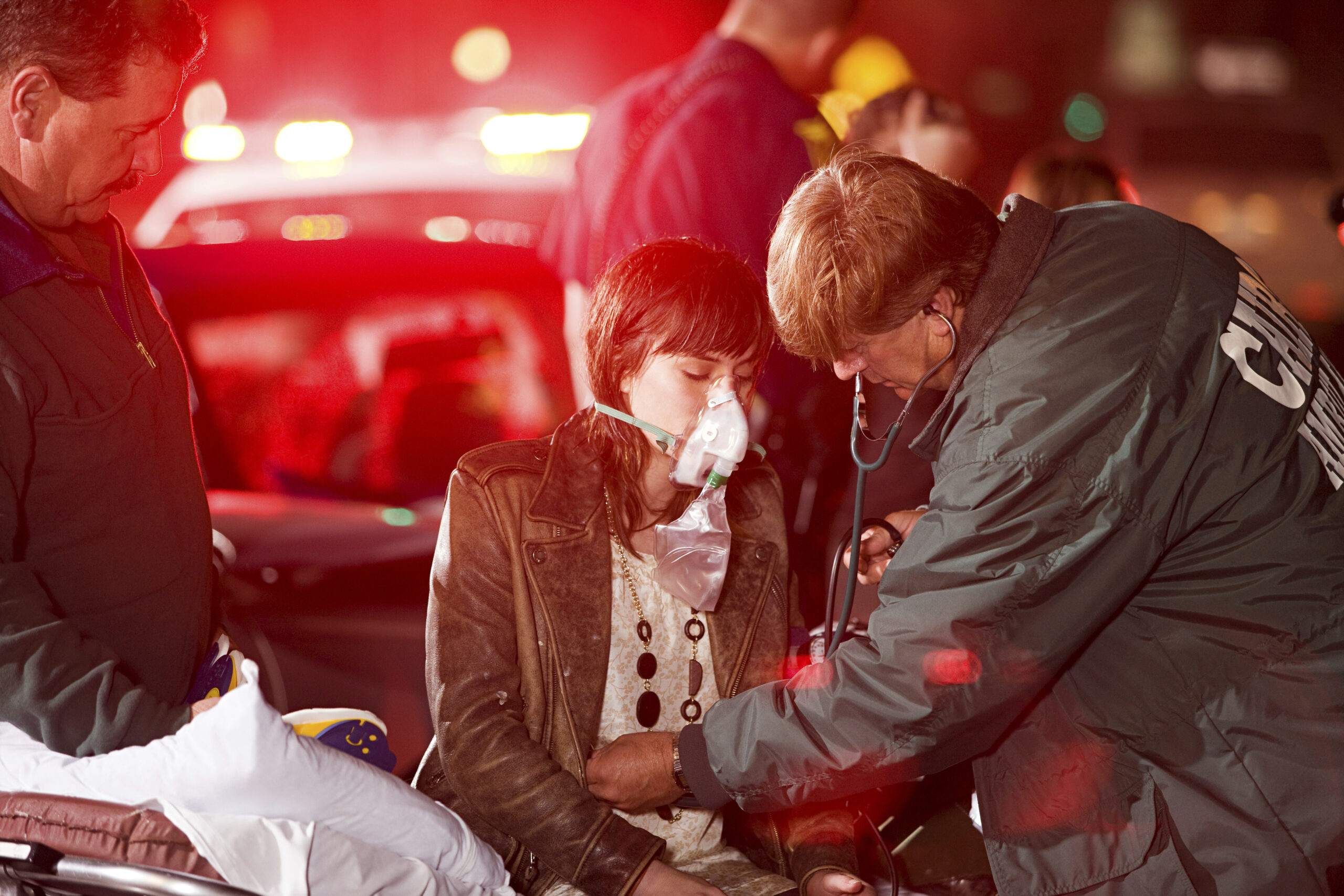
Insect bites and stings account for more hospital admissions in Australia than snakebites. The care that keeps a common sting to a sore lump takes a few minutes and uses items already in your home. You can save a life during a severe reaction with steps that are nearly as simple, but only if you know which situation you are looking at.
Signs and Symptoms of an Insect Bite Or Sting
Mild symptoms from an insect bite or sting stay close to the wound, and the picture is much the same whatever the type of insect involved. Redness and swelling form around the site of the bite, and itching follows as your skin heals. With the common insect bites and stings, the whole reaction fades within a few days.
Check the wound again over the following days. Signs of infection include:
- spreading redness
- warmth, pus, or growing pain at the bite site
- a fever
If any of these appear, see a doctor.
Bee and Wasp Stings
Honey bees sting once. The stinger is barbed, so it stays in your skin with the venom sac attached while the bee dies after pulling away. Wasps keep theirs and can sting several times in one encounter. Both stings begin with sharp pain and swelling that grows over the first hour.
Scrape the stinger out sideways with a fingernail or the edge of a bank card as soon as you see it. The sac attached to it keeps releasing venom while it stays in your skin. Wash the area with soap and water once the stinger is out, then hold a cloth-wrapped cold pack against the wound to reduce swelling and pain. Wasp stings need the same washing and cooling, but there is no stinger to remove.
Ant Bites and Stings
Bull ants and jack jumpers grip your skin with their jaws while they drive a stinger in from their abdomen, and the pinch fades long before the venom does. In regions where jack jumper ants live, 2 to 3 percent of people have had an allergic reaction to a sting, some of which have been fatal. Fire ant stings swarm, and the burning patches they leave blister into small pustules over a day or two.
Wash the bitten area with soap and water, then hold a cold pack against it to ease the pain and swelling. Leave blisters alone as they heal as breaking them raises the risk of infection. Watch for a widening rash, a fever, or breathing trouble in the hours after, and get medical help if any of these appear.
Spider Bites
Spider bites were behind 666 Australian hospital admissions in 2017–18, and redbacks were the species most often identified. A redback bite starts like the milder insect bites and stings, with pain at the bite site that then spreads. Seek medical attention if it moves up your arm or leg or sweating starts around the wound.
Bites from a large, dark, glossy spider, such as the funnel-web or mouse spider, can develer venom that moves quickly through the body. Call triple zero (000) first, then wrap a firm bandage over the bite and along as much of the limb as possible, and keep the person still until paramedics arrive. This wrap is called a pressure immobilisation bandage, and it slows the venom’s movement through the body while the ambulance is on the way. However, pressure bandages do not slow a redback’s venom. It spreads slowly through the skin rather than through the bloodstream, so firm pressure only adds to the pain.
Mosquito Bites

A mosquito bite swells into an itchy lump rather than a painful one. The lump and the itching are your immune system’s reaction to the insect’s saliva rather than to venom, and an oral antihistamine can settle both. Do not scratch the lump open as this can cause infection.
Ross River virus is the most common mosquito-borne disease in Australia, and the joint pain it brings can last for months. See a doctor if a fever, a rash, or aching in your joints appears in the weeks after a bite.
First Aid for Tick Bites
A tick takes different treatment from the rest of Australia’s insect bites and stings. Kill the tick where it is with an ether-based freezing spray from a pharmacy, then let the dead tick drop off on its own. Otherwise, kill it where it is with an ether-based freezing spray from a pharmacy, and let the dead animal drop off on its own. If a tick bite has caused you an allergic reaction before, leave it alone and have it removed by a doctor.
Do not pull a live tick out with your fingers or use tweezers on it as this can force more of its saliva into your skin.
Severe Allergic Reactions and Anaphylaxis
Anaphylaxis is a severe allergic reaction that narrows a person’s airway and drops their blood pressure within minutes, and it is what makes insect bites and stings capable of killing. Bees and wasps were behind 12 of the 19 Australian deaths from venomous bites and stings in 2017–18. A person stung by an insect before without any reaction can still have a severe one the next time.
Watch the person in the minutes after a sting. The severe symptoms appear fast and away from the sting itself. Signs of anaphylaxis include:
- difficult or noisy breathing
- swelling of their tongue or tightness in their throat
- a persistent cough, a wheeze, or a hoarse voice
- dizziness or collapse
- widespread hives, stomach pain, or vomiting
Lay the person flat as the first step. If they stand or walk, their blood pressure can drop further. If they have an adrenaline injector such as an EpiPen, press it into the outer middle of their thigh and hold it there as the label directs. Call triple zero (000) straight after the injection and say the word anaphylaxis.
If nothing improves within five minutes and a second injector is available, use it. Without an injector, make the call at the first sign and keep the person flat until paramedics take over. If they stop breathing at any point, start CPR.
First Aid Training for Insect Bites and Stings
Once you’ve had first aid training, insect bites and stings are no longer a guessing game in the first minutes of an emergency. You can walk in already knowing what to do instead of working it out under pressure. Enrol in first aid training and have that readiness in place before a bite or sting turns serious.
FAQs
How Can You Prevent Insect Bites and Stings?
Cover up with loose clothing and closed shoes outdoors, and apply an insect repellent that contains DEET or picaridin to exposed skin. Repellent wears off with sweat, so reapply it every few hours. You can also prevent bites at home by screening windows and tipping out standing water where mosquitoes breed.
Are Scorpion Stings in Australia Dangerous?
No confirmed human deaths from Australian scorpions have been recorded. A scorpion sting can cause strong swelling and pain at the site for several hours.
What Pain Relief Helps After an Insect Sting?
Paracetamol or ibuprofen taken as the packet directs can ease the pain of an insect sting. Pharmacies also sell numbing gels made for a bug bite or sting, and they act on the spot itself rather than the whole body.
Do Bed Bug Bites Spread Disease?
Bed bugs have never been shown to spread disease, which separates them from the mosquitoes and ticks that can. An infestation is a pest control problem rather than a medical one.