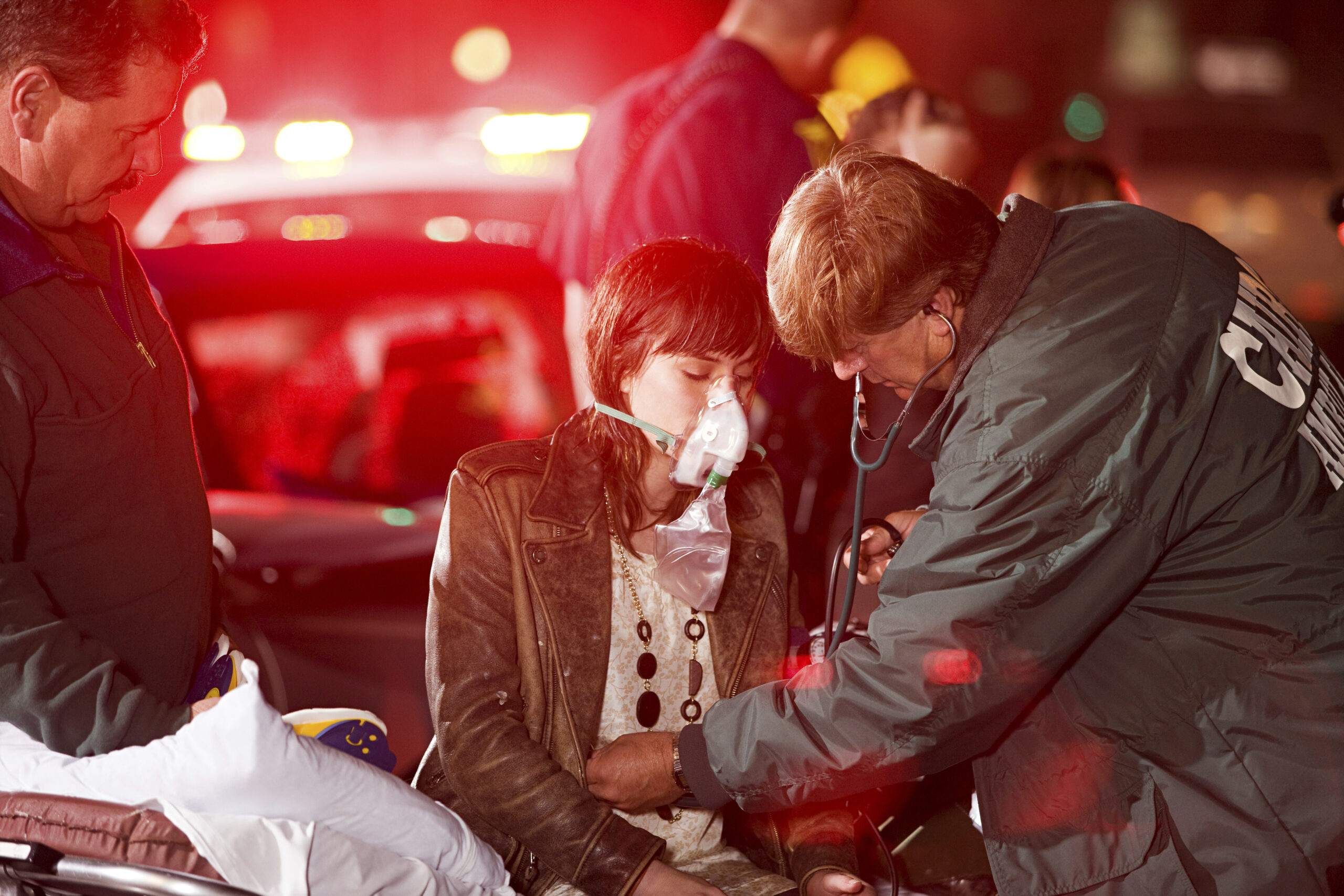
An open fracture is one of the most serious bone injuries a person can experience. Unlike a simple broken bone, an open fracture involves a wound that exposes the broken bone, allowing the possibility of bacteria reaching the fracture site, significantly increasing the risk of severe bleeding, infection and permanent complications. Knowing the correct first aid for open fracture management can help protect the injured person, reduce further damage and support the best possible outcome while waiting for emergency medical care.
Key Takeaways
- An open fracture is a medical emergency requiring immediate treatment.
- Do not push exposed bone back into the wound or attempt to straighten the limb.
- Control bleeding, protect the wound with a sterile dressing where possible and immobilise the injured area.
- Call Triple Zero (000) immediately and monitor the person for signs of shock.
- Learning nationally accredited first aid gives you the confidence to respond effectively when serious injuries occur.
What Is an Open Fracture?
An open fracture, sometimes called a compound fracture, occurs when a broken bone is associated with an open wound. In some cases, the bone pierces the skin and is visible. In others, the wound may be caused by the force of the injury itself, creating a pathway between the fracture and the outside environment even though the bone cannot be seen.
This distinction is critically important because any break in the skin allows bacteria to enter the wound. Even a relatively small puncture wound can introduce infection deep into the damaged tissues and bone.
Open fractures most commonly affect the:
- arms
- legs
- ankles
- wrists
- hands
- feet.
Although less common, they can occur in almost any bone following significant trauma.
Because open fractures involve damage to bone, muscles, blood vessels and surrounding soft tissues, they require urgent specialist medical care rather than simple immobilisation alone.

How Serious Is an Open Fracture?
An open fracture should always be treated as a medical emergency.
The exposed tissues are vulnerable to contamination, while the force required to produce the injury often causes significant damage beyond the broken bone itself. Nearby nerves, arteries, tendons and muscles may also be injured.
Potential complications include:
- severe bleeding
- infection
- damage to nerves
- reduced blood supply
- compartment syndrome
- delayed healing
- permanent loss of function
- amputation in the most severe cases.
Prompt first aid followed by rapid hospital treatment significantly improves outcomes.
What Causes Open Fractures?
Open fractures usually result from high-energy trauma, although they can also occur after lower-impact incidents in vulnerable individuals.
Common causes include:
- motor vehicle collisions
- motorcycle accidents
- bicycle crashes
- falls from height
- workplace incidents
- construction accidents
- industrial machinery injuries
- sporting collisions
- farming accidents
- crush injuries.
In Brisbane, open fractures are regularly seen following construction incidents, road trauma, sporting injuries and workplace accidents involving heavy equipment.
Older adults with fragile bones may also sustain open fractures following relatively minor falls if the bone breaks sharply through the skin.
Recognising the Signs of an Open Fracture
Some open fractures are immediately obvious. Others may appear surprisingly subtle, particularly when the skin wound is small.
Look for an open wound together with signs of a broken bone. Possible warning signs include:
Visible bone
An open wound near a suspected fracture
Heavy bleeding
Severe pain
Obvious deformity
Inability to move the affected limb
Swelling
Bruising
Abnormal limb position
Bone fragments visible within the wound
Loss of normal sensation
Pale or cold fingers or toes below the injury
If there is any doubt about whether a wound connects with a fracture, treat the injury as an open fracture until it has been assessed by medical professionals.
What Is the Correct First Aid for an Open Fracture?
The priorities are straightforward: preserve life, minimise further injury, reduce contamination and obtain emergency medical care as quickly as possible.
Ensure the Scene Is Safe
Before approaching the injured person, make sure there are no ongoing dangers.
Look for hazards such as:
- moving traffic
- unstable structures
- electrical hazards
- machinery
- falling objects.
Your safety is always the first priority.
Call Triple Zero (000)
An open fracture requires an ambulance.
Provide clear information about:
- your location
- the nature of the injury
- whether significant bleeding is present
- whether the person is conscious
- any hazards at the scene.
Follow the call-taker’s instructions until help arrives.
Control Serious Bleeding
Bleeding takes priority because severe blood loss can become life-threatening.
- Apply firm direct pressure around the wound using a sterile dressing or clean cloth where possible.
- If bone is protruding, avoid placing direct pressure on the exposed bone itself. Instead, apply pressure to the surrounding tissues to help control bleeding.
- If blood soaks through the dressing, place another dressing over the top rather than removing the original one.
Protect the Wound
- Once bleeding is controlled as much as possible, cover the wound with a sterile, non-stick dressing if available.
The aim is not to clean the injury. Instead, the dressing helps reduce further contamination while awaiting hospital treatment.
- Never attempt to wash deep wounds aggressively or remove embedded objects.
Immobilise the Injured Limb
Movement increases pain and may worsen bleeding or tissue damage.
- Keep the injured limb as still as possible.
- If trained and it can be done safely without causing additional pain, gentle support using a splint or padding may help reduce movement.
- Immobilise the joints above and below the fracture where practical.
- Avoid unnecessary handling.
Monitor the Person
Continue observing the casualty while waiting for paramedics.
Watch for signs of shock, including:
- pale, cool skin
- rapid pulse
- fast breathing
- dizziness
- confusion
- weakness
- increasing anxiety
- reduced level of consciousness.
If appropriate, help keep the person warm using a blanket or jacket without overheating them.
Reassure them calmly and avoid giving food or drink, as surgery may be required soon after arrival at hospital.
What Should You Never Do?
Many well-intentioned actions can make an open fracture worse or cause additional damage.
Avoid attempting to reposition, clean or treat the injury beyond basic first aid. Never:
Push exposed bone back inside the wound
Straighten a severely deformed limb
Remove deeply embedded objects
Probe or explore the wound
Wash exposed bone
Apply ointments or antiseptics inside the wound
Allow unnecessary movement of the injured limb
Give food or drinks before medical assessment
Simple, careful first aid is far safer than attempting complex treatment at the scene. Control serious bleeding, cover the wound, minimise movement and wait for paramedics.

How Do Hospitals Fix an Open Fracture?
Treatment begins quickly because controlling bleeding, assessing tissue damage and reducing the risk of infection are immediate priorities.
Open fracture treatment usually involves several stages, beginning with a detailed trauma assessment and often progressing to surgery.
Immediate Assessment
Doctors assess the injury and check for complications such as:
Bleeding
Circulation below the injury
Nerve function
Associated injuries
Wound contamination
Early Medical Treatment
Intravenous antibiotics are usually given as soon as possible to help reduce the risk of infection. Other early treatment may include:
Pain relief
Tetanus protection when indicated
X-rays or CT scans
Blood tests
Cleaning the Wound
During surgery, the wound is thoroughly cleaned through a process known as irrigation and debridement. Dirt, damaged tissue and contaminants are removed to reduce infection risk and prepare the injury for repair.
Stabilising the Broken Bone
Once the wound has been cleaned, surgeons stabilise the fracture. The method used depends on the bone involved, the pattern of the break and the extent of soft-tissue damage.

How Long Does an Open Fracture Take to Heal?
Recovery varies considerably because healing depends on the fracture itself, the surrounding tissue damage and the injured person’s overall health.
There is no single recovery time for every open fracture. Doctors consider a range of factors when estimating how long healing and rehabilitation may take.
Factors That Influence Healing
Which bone is broken
Severity of the fracture
Degree of soft tissue injury
Presence of infection
Age
General health
Smoking status
Diabetes
Rehabilitation progress
Typical Recovery Timeframes
Early Bone Union
Many uncomplicated fractures begin joining during this period, although this does not necessarily mean the limb has regained full strength or function.
Serious Open Fractures
More severe injuries commonly require several months of healing, monitoring and rehabilitation before everyday function improves substantially.
Complex Injuries
Extensive soft tissue, nerve or joint damage may mean maximum recovery takes a year or longer, particularly when further surgery is required.
Rehabilitation May Include
Rehabilitation is tailored to the injury and progresses under the guidance of the treating medical and allied health team.
Recovery is rarely only about the broken bone. Muscles, joints, nerves and surrounding soft tissues also need time to regain strength, movement and normal function.
Why Infection Is Such a Major Concern
One reason open fractures are treated so urgently is the risk of bone infection. Unlike closed fractures, bacteria can enter directly through the wound. If infection develops within the bone, treatment becomes much more complicated and recovery may be significantly prolonged.
Early surgery and antibiotics have dramatically improved outcomes over recent decades, but prompt first aid still plays an important role by reducing additional contamination before hospital treatment begins.
Open Fractures in the Workplace
Many Brisbane industries involve activities where serious traumatic injuries are possible.
Higher-risk occupations include:
- construction
- manufacturing
- warehousing
- transport
- logistics
- agriculture
- mining support services
- civil infrastructure.
Employers have legal responsibilities to manage workplace risks, but accidents can still occur. Having trained first aiders on site means someone can provide immediate care while emergency services are on their way.
Knowing how to control bleeding, protect an open wound and safely immobilise an injured worker can make a meaningful difference during those critical first minutes.

Preventing Open Fractures
Not every serious injury can be prevented, but practical safety measures can significantly reduce the risk of high-impact trauma and broken bones.
Prevention starts with recognising hazards, using protective equipment correctly and following established safety procedures at work, on the road and during sport.
Wear appropriate personal protective equipment
Follow workplace safety procedures
Use fall protection correctly
Maintain sporting protective equipment
Drive safely and remain alert
Use seatbelts correctly
Wear approved motorcycle and bicycle helmets
Keep work areas free of trip hazards
Follow safe lifting procedures
Safety measures reduce risk, but they cannot remove every hazard. Serious injuries can still happen suddenly in workplaces, on roads, at home or during sport.

Why First Aid Training Matters
Most people never expect to witness a serious traumatic injury. Yet construction sites, sporting fields, roads, warehouses and even homes can become emergency scenes without warning.
Knowing what to do in those first few minutes can help protect the injured person until professional help arrives.
A nationally accredited first aid course with First Aid Pro Brisbane teaches practical, evidence-based skills that prepare you to respond confidently to medical emergencies, including fractures, severe bleeding, shock and many other life-threatening situations. More importantly, it gives you the confidence to remain calm and provide appropriate care when every minute counts.
Preparedness Makes a Difference
Open fractures are among the most serious injuries encountered in first aid because they involve both a broken bone and an open wound, creating an immediate risk of bleeding, infection and lasting complications. While hospital treatment is essential, the actions taken before paramedics arrive can help protect the injured person from further harm.
Understanding how to recognise an open fracture, control bleeding, protect the wound, minimise movement and monitor for shock equips you to respond safely during a stressful emergency. Whether you’re at work, on the road, playing sport or simply helping someone in your community, these practical first aid skills can make a real difference while specialist medical care is on its way.
If you’d like to build the confidence to respond effectively to traumatic injuries and other medical emergencies, enrolling in a nationally accredited First Aid course with First Aid Pro Brisbane is a practical investment in skills that could one day help save a life.
Related Reading
- Mayo Clinic – Broken leg – Diagnosis and treatment
Better Health Channel – Bone fractures
Healthdirect – Fractures | healthdirect
FAQs about open fractures
What is an open fracture?
An open fracture, also known as a compound fracture, is a broken bone that is associated with an open wound. The bone may protrude through the skin, or the injury may create a wound that exposes the fracture to the outside environment. Because bacteria can enter the wound, open fractures require urgent emergency medical treatment.
What is the correct first aid for an open fracture?
The correct first aid for an open fracture is to call Triple Zero (000), control any severe bleeding with direct pressure around the wound where possible, cover the wound with a sterile dressing, keep the injured limb as still as possible, monitor the person for signs of shock and wait for emergency medical help. Do not attempt to push exposed bone back into place or straighten the injured limb.
How serious is an open fracture?
An open fracture is considered a medical emergency. In addition to the broken bone, there is a significant risk of infection, blood loss, nerve and blood vessel damage, and long-term complications if treatment is delayed. Prompt first aid and rapid hospital care are essential for the best possible recovery.
How do doctors fix an open fracture?
Most open fractures require surgery. Hospital treatment typically includes intravenous antibiotics, thorough cleaning of the wound (irrigation and debridement), removal of contaminated or damaged tissue, and stabilisation of the bone using plates, screws, rods, pins or an external fixation frame. Some severe injuries require multiple operations.
How long does an open fracture take to heal?
Healing time depends on the severity of the injury, the bone involved, the amount of soft tissue damage and the person’s overall health. Many open fractures begin to heal within six to twelve weeks, but more severe injuries may take several months or even longer than a year to recover fully. Physiotherapy and rehabilitation are often important parts of the recovery process.