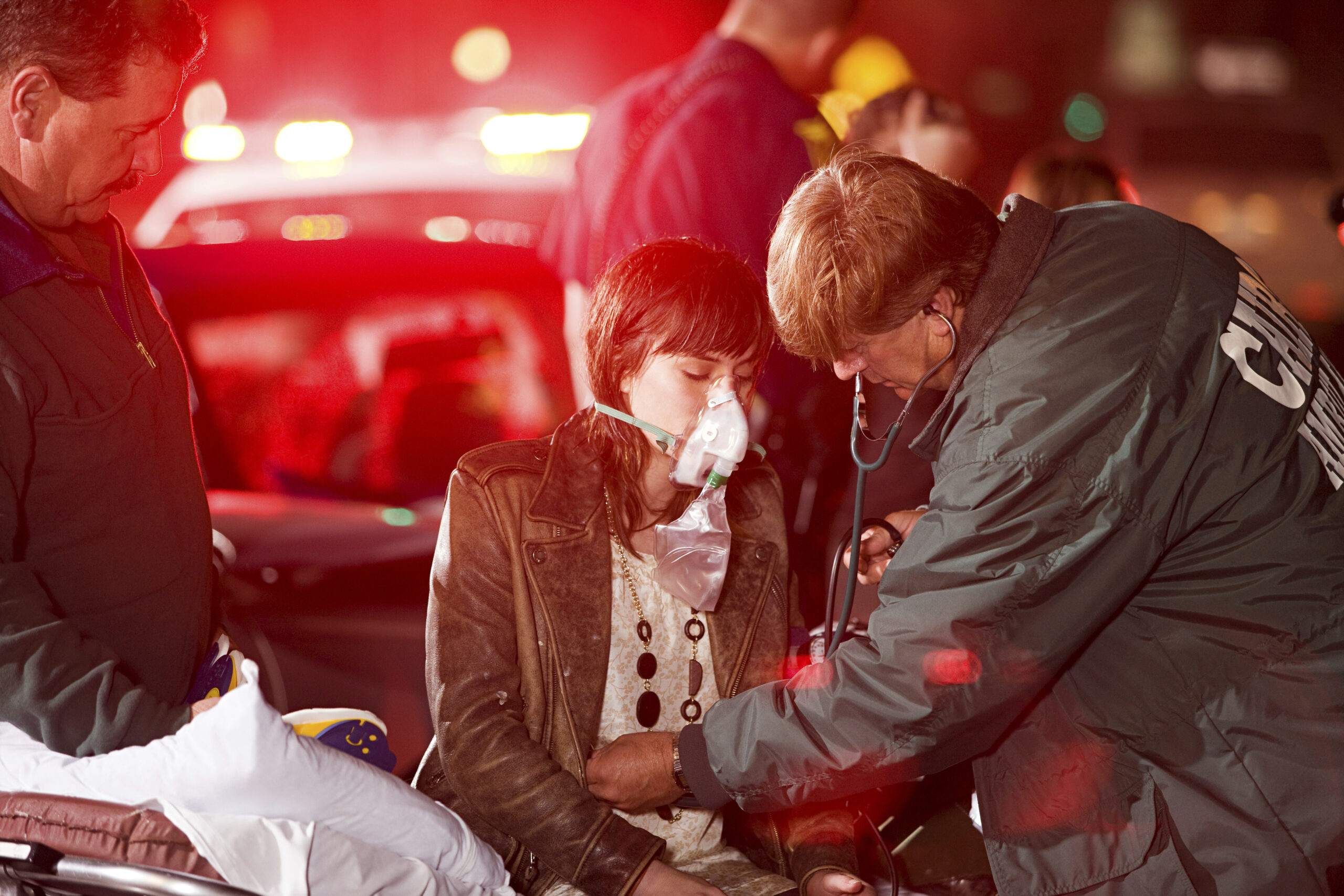
First aid for hospitality means preparing staff to respond confidently to injuries and medical emergencies involving workers, customers and visitors. In Brisbane cafés, restaurants, hotels, pubs, clubs and event venues, that preparation may include managing choking, burns, cuts, allergic reactions, falls, intoxication-related incidents and sudden cardiac arrest while professional help is on the way.
Hospitality workers spend their days creating welcoming experiences, but the environments in which they work can change from calm to chaotic within seconds. A diner may begin choking in the middle of a busy service. A kitchen worker may be splashed with hot oil. A guest may collapse without warning. Broken glass, wet floors, sharp utensils, hot appliances, cleaning chemicals and alcohol can all add to the risk.
Good first aid arrangements do not eliminate these hazards. They help a business respond when prevention has not been enough.
For Brisbane hospitality operators, that means looking beyond a first aid kit behind the counter. Effective preparation requires trained people, accessible equipment, clear procedures and enough coverage across every rostered shift.

Key Takeaways
- First aid for Hospitality should be based on the venue’s actual hazards, layout, staffing levels and operating hours.
- Choking, burns, cuts, allergic reactions, falls and sudden illness are among the emergencies staff may encounter.
- First aid equipment and trained first aiders must remain accessible during night shifts, weekends and other trading periods.
- Staff need a clear business emergency protocol rather than relying on improvised decisions during an incident.
- Accredited first aid training helps workers respond calmly, safely and consistently while waiting for emergency services.
Why First Aid For Hospitality Matters
Hospitality venues bring together food preparation, customer service, public access, physical work and, in many businesses, alcohol service. This creates a mix of risks that is different from a quiet office or a workplace closed to the public.
A commercial kitchen may contain boiling liquids, open flames, hot trays, deep fryers, knives, electrical appliances and slippery surfaces. Front-of-house teams may encounter crowded walkways, broken glass, food allergies, choking incidents and customers affected by illness or alcohol. Hotels and large venues may also need to respond to emergencies in guest rooms, function spaces, car parks, swimming areas or remote parts of a building.
Under Queensland workplace safety guidance, first aid arrangements should be determined through a risk assessment that considers the nature of the work, workplace hazards, the size and location of the workplace, and the people who may be present. This includes workers, contractors, visitors and members of the public. (WorkSafe Queensland)
That last point is particularly important in hospitality. A venue’s emergency exposure is not limited to its employees. On a busy evening, there may be hundreds of customers on site, including children, older people and guests with existing medical conditions.
First aid planning should therefore reflect what can realistically happen in the venue—not simply the number of permanent employees on the payroll.

Common Hospitality Emergencies
A suburban café, large hotel, nightclub and convention venue may face different pressures, but many first aid risks occur across the entire hospitality industry.
Choking and airway obstruction
Cuts from knives, broken glass or machinery
Burns and scalds
Slips, trips and falls
Allergic reactions and anaphylaxis
Fainting, seizures and diabetic emergencies
Chest pain and cardiac arrest
Alcohol-related illness or injury
Chemical exposure
Manual handling injuries
Customer medical emergencies unrelated to the venue
First aiders are not expected to be paramedics
Occupational first aid equips hospitality workers to respond within their training, protect the casualty and support them until emergency services arrive. In a crowded venue, a calm early response can prevent confusion from delaying essential assistance.
Choking and Food-Related Emergencies
Choking is one of the clearest reasons why first aid for hospitality industry workers matters.
It may happen quietly. A person with a severe airway obstruction may be unable to speak, breathe or cough effectively. They may clutch at their throat, appear distressed or become pale or blue around the lips.
Staff should know how to distinguish effective coughing from a serious obstruction. A person who can cough forcefully should generally be encouraged to continue coughing while being closely observed. When the cough is ineffective, trained responders follow the current ANZCOR approach, which includes up to five back blows followed, if necessary, by up to five chest thrusts, checking after each attempt to see whether the obstruction has cleared.
ANZCOR does not recommend abdominal thrusts for routine management of foreign-body airway obstruction because serious complications have been reported. (
If the person becomes unresponsive, staff should call Triple Zero (000), begin CPR and use an automated external defibrillator if one is available.
This is not a procedure hospitality staff should be expected to learn from a poster during an emergency. It requires practical training, rehearsal and the confidence to act in front of distressed customers and colleagues.
Food-related emergencies can also include allergic reactions, diabetic episodes, illness after food consumption and injuries caused by foreign objects. Not all of these will have been caused by the business, but staff may still be the first people asked to help.
Allergic Reactions and Anaphylaxis
Food allergies are a major consideration in cafés, restaurants, catering businesses and event venues.
A mild or moderate allergic reaction may involve swelling of the face, lips or eyes, hives, tingling in the mouth, abdominal pain or vomiting. Anaphylaxis is more serious and may cause difficult or noisy breathing, swelling of the tongue, tightness in the throat, wheezing, collapse or sudden loss of consciousness.
Anaphylaxis is a medical emergency. ASCIA guidance advises laying the person flat, not allowing them to stand or walk, giving an adrenaline device without delay when available, and calling Triple Zero. A person who is having difficulty breathing may be permitted to sit with their legs extended, but they should not be allowed to walk around. (Allergy Australia)
Hospitality workers should never assume that skin symptoms must be present. A severe reaction can occur without visible hives.
Venues should also have a clear process for helping a customer retrieve and use their prescribed adrenaline device. Employees should know where any venue-held emergency equipment is stored and who is trained to use it.
Food allergy management depends on careful communication between kitchen and service teams, but even the strongest prevention systems need an emergency response plan behind them.
Burn Management in Commercial Kitchens
Burns and scalds are persistent kitchen hazards.
Hot oil, steam, coffee machines, boiling water, ovens, grills, trays and heated surfaces can all cause injury. Chemical burns may also occur when powerful cleaning products are used incorrectly.
The first step is always to make the area safe. A worker should not rush towards an injured colleague if doing so exposes them to hot oil, electricity, fire, steam or hazardous chemicals.
For a thermal burn, remove jewellery or clothing near the injured area if it is not stuck to the skin. Cool the burn under cool running water for 20 minutes as soon as practical. Do not use ice, butter, creams, toothpaste or other household remedies.
After cooling, the burn may be covered loosely with a clean, non-stick dressing. Serious burns require medical assessment, particularly when they are deep, extensive or located on the face, hands, feet, airway, genitals or major joints.
Queensland safety guidance identifies heat, electricity, chemicals, radiation and friction as possible causes of burns, while scalds commonly result from hot liquids, steam or cooking oil. (WorkSafe Queensland)
A suitable hospitality first aid kit should reflect this risk. Safe Work Australia specifically notes that workplaces involving hot surfaces or fire should consider including appropriate burn supplies. (Safe Work Australia)
Training also helps staff understand when a burn is beyond the scope of simple first aid. A small splash on a finger is not managed in the same way as a deep fryer incident or a suspected airway burn.
Cuts, Bleeding and Broken Glass
Sharp knives, slicers, graters, glassware, tins and food-processing equipment make cuts another common hospitality injury.
Minor cuts may only require cleaning and dressing. More serious bleeding requires firm, direct pressure with a clean dressing or pad. If blood soaks through, additional material should generally be placed over the top rather than repeatedly removing the original dressing and disturbing clot formation.
For severe or uncontrolled bleeding, call Triple Zero.
The injured person should be monitored for signs of shock, including pale or clammy skin, weakness, confusion, rapid breathing or collapse.
Broken glass presents an additional problem because staff may be tempted to reach into sinks, bins or ice wells to retrieve fragments. Safer procedures should prevent injuries before they occur, but first aid training prepares staff to manage the result if someone is cut.
Blood and body-fluid exposure must also be considered. First aiders should use gloves where available and follow the venue’s infection-control and cleaning procedures after the incident.

Slips, Trips and Falls
Spilled drinks, wet floors, loose mats, crowded walkways and rapid movement between the kitchen and dining area make slips and falls a familiar hospitality risk.
A fall may cause a sprain, fracture, head injury or spinal injury. Staff should avoid immediately lifting the person back onto their feet. First check for pain, deformity, bleeding, confusion, loss of consciousness or difficulty moving.
A person with a suspected fracture should be kept still and comfortable. The injured limb should be supported in the position found unless there is an immediate danger requiring movement.
Head injuries need particular care. Warning signs may include worsening headache, vomiting, confusion, unusual behaviour, drowsiness, seizure, weakness or loss of consciousness. Emergency medical help should be sought when a serious head injury is suspected.
This is where staff safety training connects with good customer care. A trained team is less likely to crowd around, move the person unnecessarily or create more confusion.
One worker can assess the casualty, another can call for help, and another can control the surrounding area and guide ambulance officers to the scene.
Alcohol-Related Incidents
Pubs, clubs, restaurants, hotels and event venues may need to manage customers affected by alcohol.
A person who appears intoxicated may simply be impaired, but similar behaviour can also be caused by a head injury, stroke, low blood glucose, poisoning or another medical emergency. Slurred speech, poor coordination and confusion should not automatically be dismissed as drunkenness.
Staff should look at the whole situation. Has the person fallen? Are they difficult to wake? Is their breathing abnormal? Have they vomited repeatedly? Could another substance be involved?
An unresponsive person who is breathing normally should be placed in the recovery position and monitored while emergency help is arranged. A person who is not breathing normally requires CPR.
Staff should not leave an unconscious person alone or assume they can simply “sleep it off”. Vomiting creates a serious airway risk, while alcohol can conceal injuries and delay recognition of deterioration.
Alcohol-related incidents may also involve aggression. First aiders are not expected to put themselves in danger. Security procedures, de-escalation training and police assistance may be required before care can be provided safely.
Sudden Cardiac Arrest in Public Venues
Cardiac arrest can happen anywhere, including restaurants, hotels, gaming venues, function centres and sporting clubs.
The person will be unresponsive and not breathing normally. Occasional gasps should not be mistaken for effective breathing.
Staff should call Triple Zero, begin CPR and attach an automated external defibrillator as soon as possible. ANZCOR recommends full CPR for people requiring resuscitation, with compressions and rescue breaths provided by trained rescuers. (Australian Resuscitation Council)
An AED analyses the heart rhythm and provides prompts. It will only advise a shock when one is required.
Large or high-volume hospitality businesses should consider whether an AED is appropriate for their venue. Its location matters. A device locked in an office several floors away may be difficult to retrieve during a time-critical emergency.
Staff must also know it exists. AED familiarisation should form part of induction and emergency drills rather than being known only to a manager who may not be rostered on.
Building a Practical Business Emergency Protocol
A clear emergency protocol gives every team member a defined role, reducing confusion and helping to enure the right actions happen sooner.
Who takes control?
Nominate the person responsible for directing the response and coordinating staff.
Who calls Triple Zero?
Assign someone to contact emergency services and provide clear information about the incident and location.
Who provides first aid?
Identify the trained first aider who will assess the casualty and provide immediate care.
Who retrieves the kit or AED?
Ensure one staff member can quickly bring essential first aid equipment to the scene.
Who manages customers?
Allocate responsibility for clearing the area, maintaining privacy and preventing crowding.
Who meets emergency services?
Have someone wait at the entrance and guide paramedics directly to the casualty.
Who records the incident?
Assign responsibility for completing workplace reports and noting the care provided.
Who contacts key people?
Decide who will notify management or the injured person’s family where appropriate.
Simple responsibilities prevent confusion
Staff do not need an overly complex procedure. They need clear, rehearsed responsibilities that remain practical during busy shifts, staff changes and high-pressure emergencies.
Emergency phone numbers should be easy to find. WorkSafe Queensland recommends keeping contact details available for services including ambulance, fire, doctors and the Poisons Information Centre on 13 11 26. (WorkSafe Queensland)
Venues should also account for practical barriers. Music may make verbal communication difficult. Kitchens may be noisy. Basement bars may have poor mobile reception. Hotel rooms may be far from the main entrance. Crowds may block access.
The protocol should reflect the actual venue rather than being copied from a generic handbook.

Workplace Safety Compliance and First Aid Coverage
Queensland’s First Aid in the Workplace Code of Practice explains that first aid equipment, facilities and trained first aiders must be accessible whenever workers are working, including during night shifts and overtime. It also states that all workers must be able to access a first aid kit. (WorkSafe Queensland)
For hospitality businesses, this has direct implications for staff rotation planning.
It is not enough to train one employee who works weekday mornings if the venue’s busiest periods are Friday and Saturday nights. Annual leave, sick leave, split shifts and staff turnover can quickly leave gaps in coverage.
Businesses should review:
- the number of trained first aiders on each shift
- whether first aiders are spread across relevant work areas
- whether casual and seasonal rosters affect coverage
- whether the venue has multiple floors or buildings
- whether lone or isolated workers may be present
- how quickly emergency services can access the site.
Safe Work Australia advises that first aiders should hold a nationally recognised statement of attainment issued through a registered training organisation and should undertake regular training to keep their knowledge current. (Safe Work Australia)
Accredited first aid training is therefore more than a certificate on a wall. It supports a safer roster, clearer emergency responsibilities and more consistent responses across the business.

First Aid Kits and Equipment
Every workplace requires at least one accessible first aid kit, but hospitality venues may need more than one.
A large restaurant may need separate access for the kitchen and dining area. A hotel may need kits near reception, housekeeping areas, kitchens, function rooms and maintenance zones. A mobile catering business may need equipment in each vehicle or service location.
The kit should be:
- clearly identified
- easy to reach
- regularly checked
- restocked after use
- appropriate for the venue’s risks
- protected from contamination, heat and damage.
Safe Work Australia notes that additional kits may be necessary when a workplace is spread out and that kits should be positioned where workers can see and access them quickly, particularly near higher-risk areas. (Safe Work Australia)
Someone should be given responsibility for inspections. That includes checking expiry dates, replacing used items and confirming that equipment has not been moved.
High-Volume Venue Considerations
Concerts, conferences, weddings, sporting functions and major dining periods can place far greater pressure on a venue’s ordinary first aid arrangements.
More people require more than a larger first aid box
High-volume events can bring unfamiliar staff, congested entrances, increased alcohol consumption, heavy noise and communication barriers. Emergency planning must account for these operational pressures.
Temporary Staff
Casual or event workers may not know the venue layout, procedures or equipment locations.
Congested Access
Crowds, queues and blocked entrances can delay first aiders and emergency services.
Alcohol Service
Increased alcohol consumption can contribute to illness, injury, confusion and behavioural risks.
Noise and Communication
Loud music and busy crowds can make instructions, phone calls and staff coordination more difficult.
What Event Planning Should Consider
Crowd size and attendee demographics
Event duration and expected peak periods
Alcohol service and intoxication risks
Food allergy communication procedures
Clear access routes for paramedics
Emergency vehicle entry and parking points
Availability of trained first aid staff
Location of first aid kits and AEDs
Communication between security, floor staff and management
Use a Pre-Event Safety Briefing
Before doors open, staff should understand who the designated responders are, where emergency equipment is located and how to report an incident quickly and clearly.
Large events may need professional medical support
Depending on the event size, duration, risks and audience, ordinary workplace first aid arrangements may not be sufficient. Additional professional medical personnel or dedicated treatment facilities may be required.
Making Safety Part of Good Hospitality
Hospitality is built around looking after people.
Most of the time, that means a warm welcome, attentive service and a well-run venue. Occasionally, it means recognising that someone is in danger and knowing what to do next.
Strong first aid arrangements are not about expecting staff to handle every emergency alone. They are about helping workers identify serious situations, begin appropriate care, call for professional help and prevent the incident from becoming worse.
A stocked kit matters. So does an emergency protocol. But it is trained people—available across the roster and confident enough to act—who bring the system together.
For cafés, restaurants, hotels, pubs, clubs and event venues seeking first aid for the hospitality industry in Brisbane, accredited training with Brisbane First Aid Pro offers a practical way to improve staff readiness, workplace safety compliance and emergency preparedness.
Related Reading
- Work Health and Safety Queensland: First aid in the workplace Code of Practice
ASCIA Guidelines – Acute Management of Anaphylaxis
ANZCOR Guidelines
- First Aid Pro – First Aid Charts
FAQs
What first aid emergencies are most common in hospitality?
Hospitality workers may encounter choking, cuts, burns, slips and falls, allergic reactions, fainting, intoxication-related incidents, chest pain and sudden cardiac arrest. The likely risks also depend on the type, size and location of the venue.
Does every hospitality business need a first aid kit?
Queensland workplace guidance states that all workers must be able to access a first aid kit. Larger or multi-level venues may need several kits so equipment can be reached quickly from different work areas.
How many hospitality employees should be trained in first aid?
The appropriate number depends on a workplace risk assessment, operating hours, staffing levels, layout and likely hazards. Businesses should ensure trained coverage remains available across nights, weekends, leave periods and busy shifts.
Should a restaurant or hotel have an AED?
An AED may be appropriate where large numbers of workers, guests or members of the public are present. The decision should form part of the venue’s first aid risk assessment. Where an AED is provided, it must be accessible and staff should know where it is located.
Why is accredited first aid training important for hospitality staff?
Accredited training gives staff practical experience in responding to emergencies such as choking, cardiac arrest, bleeding and burns. It also supports consistent workplace procedures and provides nationally recognised evidence of training through a registered training organisation.